Mindful Meet
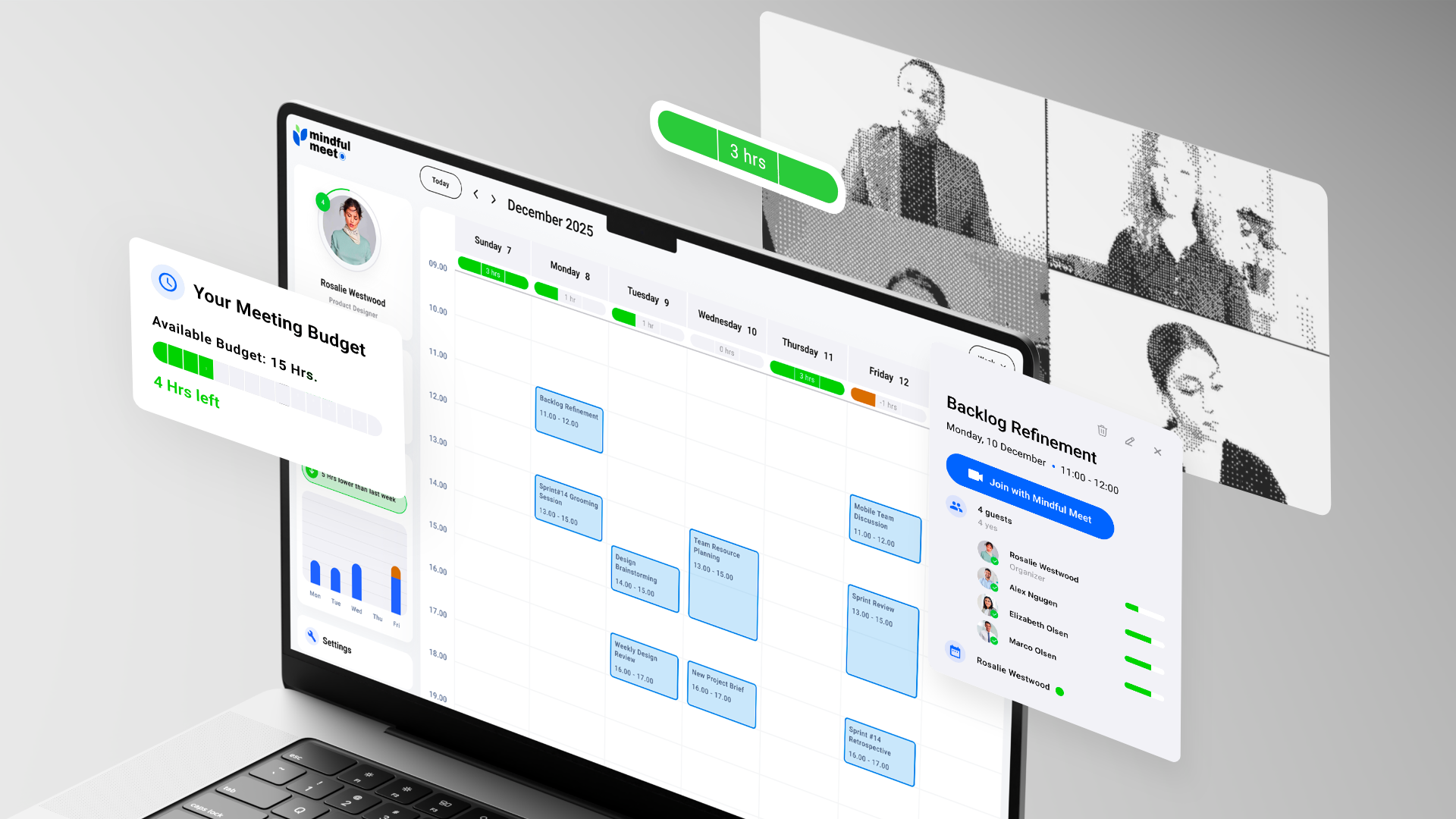
Reimagining video-call software to lessen carbon emissions through using data-saving filters and encouraging fewer online meetings in calendars.
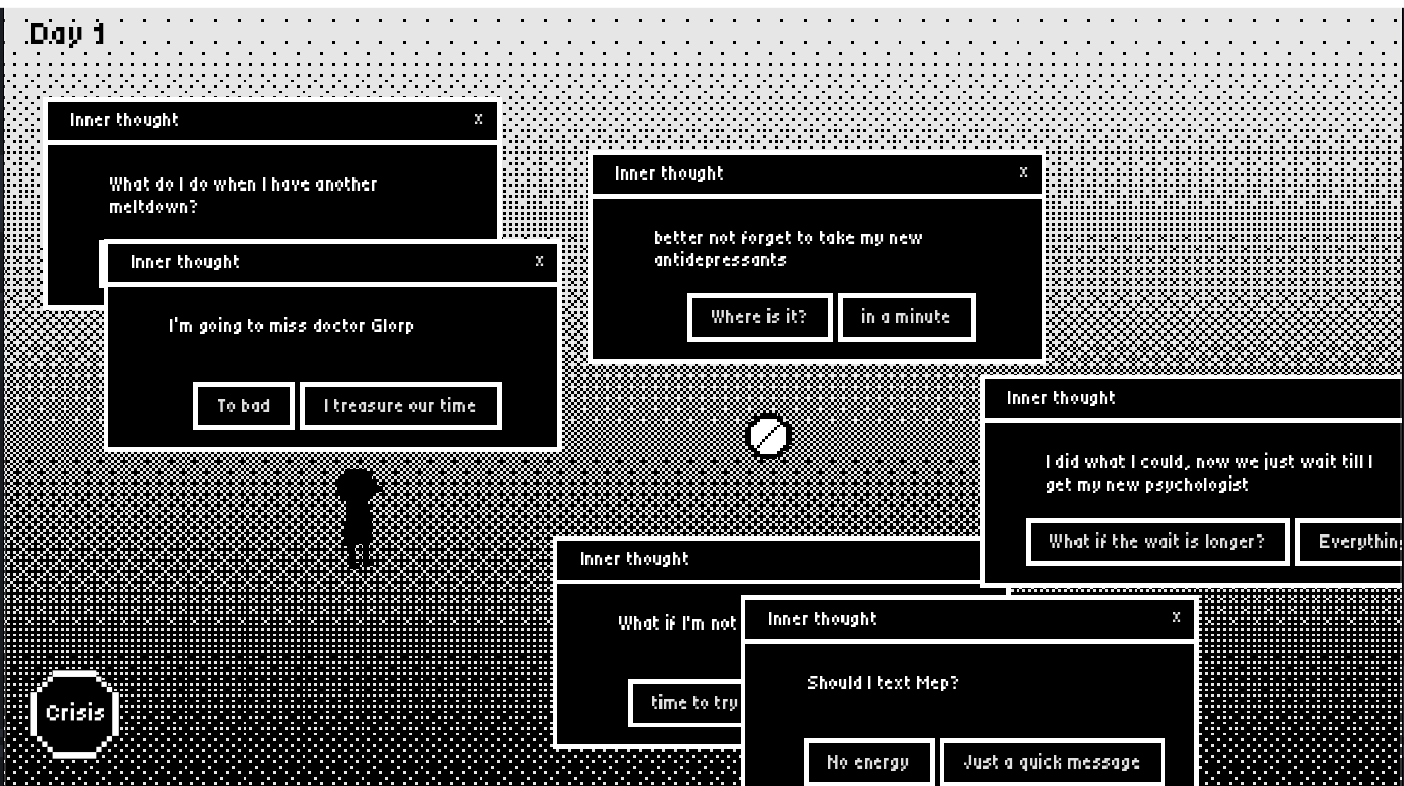
A survival game that critiques the difficulties of accessing psychological help, showing people with depression that they are not alone in their experience.
Long mental healthcare waitlists are the new norm; people are looking online for help
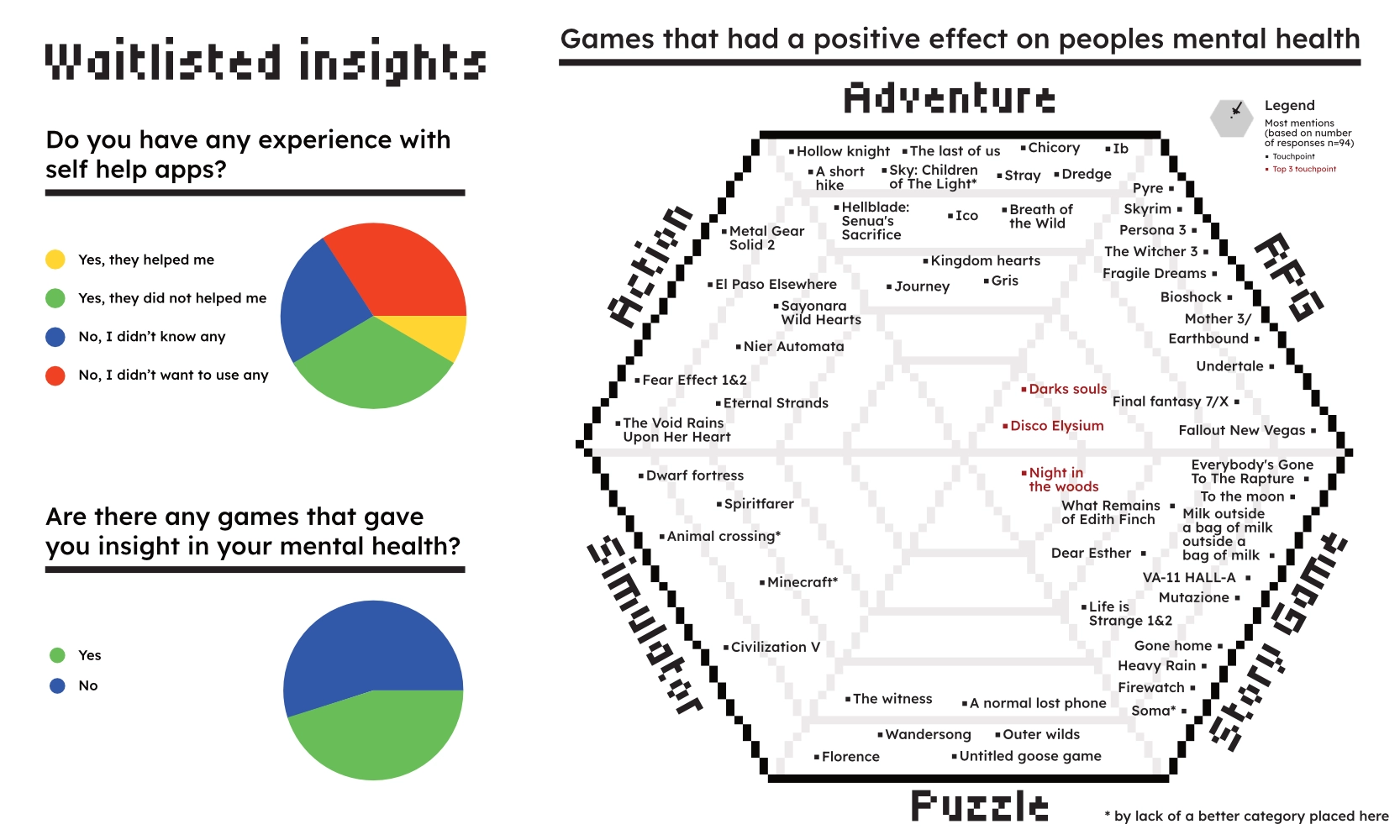
Since COVID-19 the prevalence of depression and anxiety has increased by 25%, as per data from the World Health Organization. Waitlists are getting longer due to the higher demand and less capacity due to government budget cuts. This caused the mental healthcare app industry to be booming. The market was worth USD 6.52 billion in 2024, and is expected to grow to 23.8 billion by 2032 (Fortune Business Insights, 2025).
Mental health care apps versus video games with mental health care themes and effects
As the mental health app market can be oversaturated and predatory with its monthly subscription models. In my research with over a hundred people, I found that video games are more appealing for mental health insights, and initial research shows that they are more effective as well.
Surviving the waitlist with critical thinking and finding others
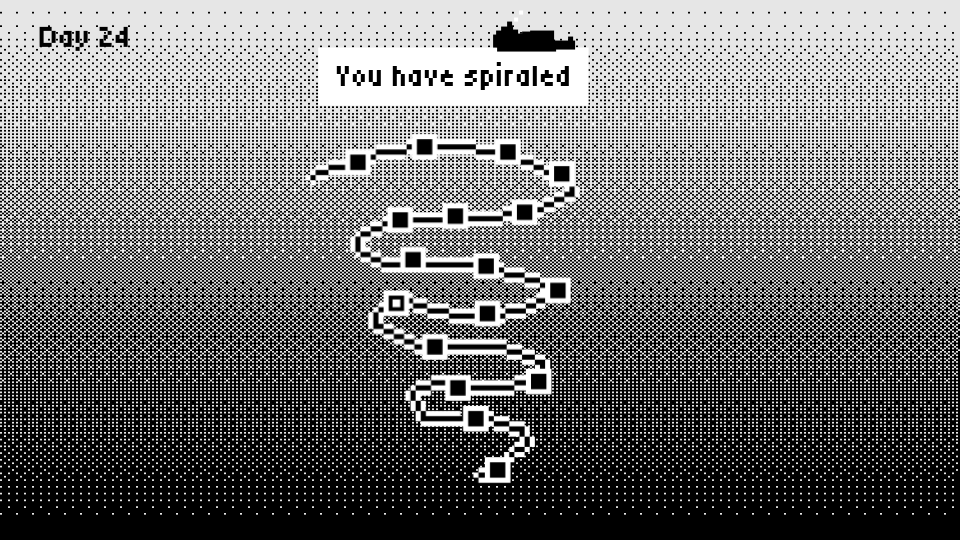
The initial game was focused on behavioral therapy principles, but as the game is not meant as treatment, I pivoted to showing more alternative ways to find help. The core loop has the player working through their thoughts in interface popups and processing them in a healthy or unhealthy way. Throughout the game the character learns to not depend on vices, working through frustrations, trying antidepressants, and finding support groups.
There is never a perfect solution
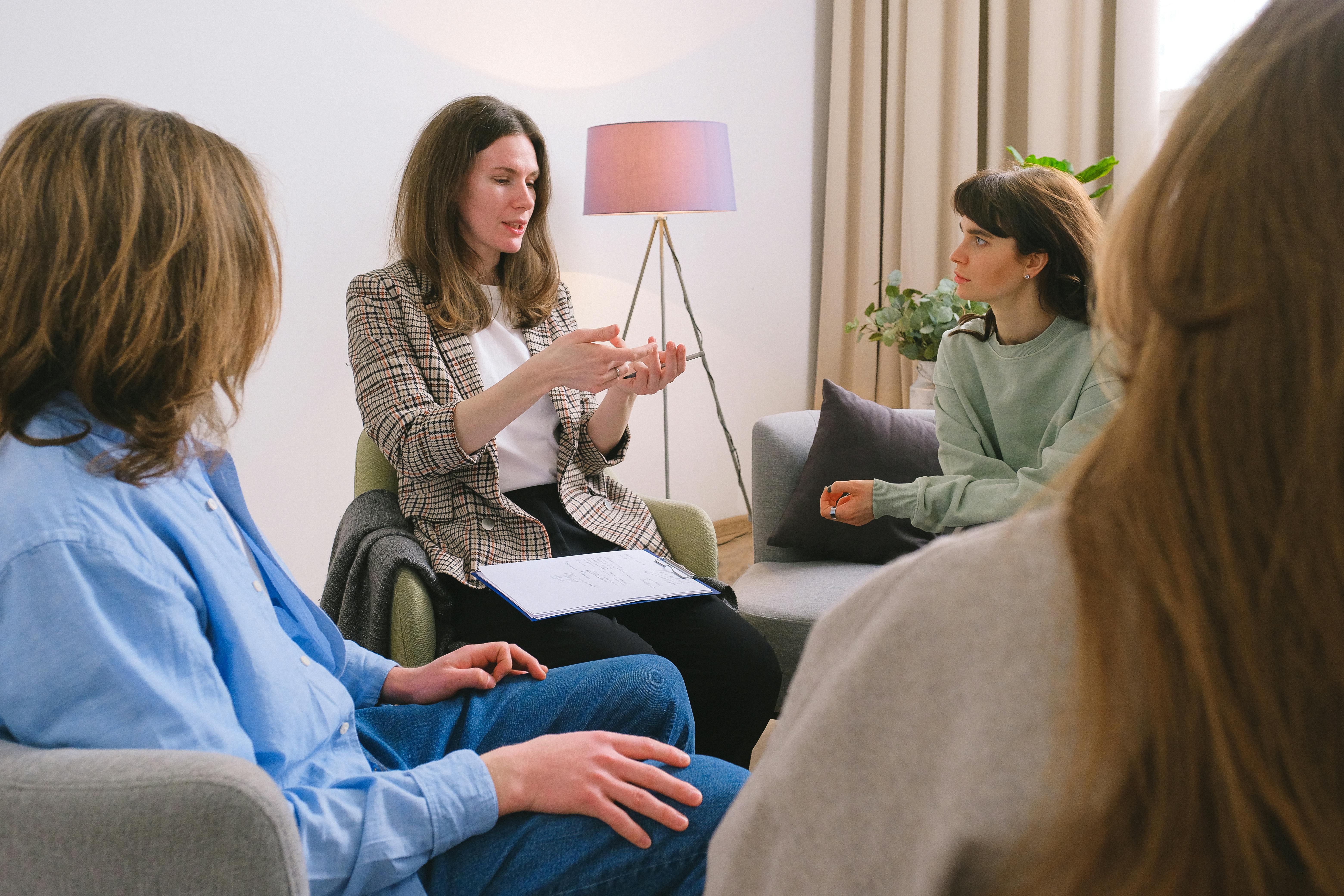
I don't show players that the journey is easy if you just follow all the mental health exercises; the reasons a person is depressed are often complex and intermingled with other facets of their life. The game doesn’t have a perfect solution; in each playthrough you will have to sacrifice something, like friends, work, or family. By showing the sacrifices you sometimes have to make, but mostly showing that everyone has their unique way of care necessary depending on their context, I hope to let players reflect on what works for them personally.
Interested in more projects?